Author
Tara Groupfractal
Share
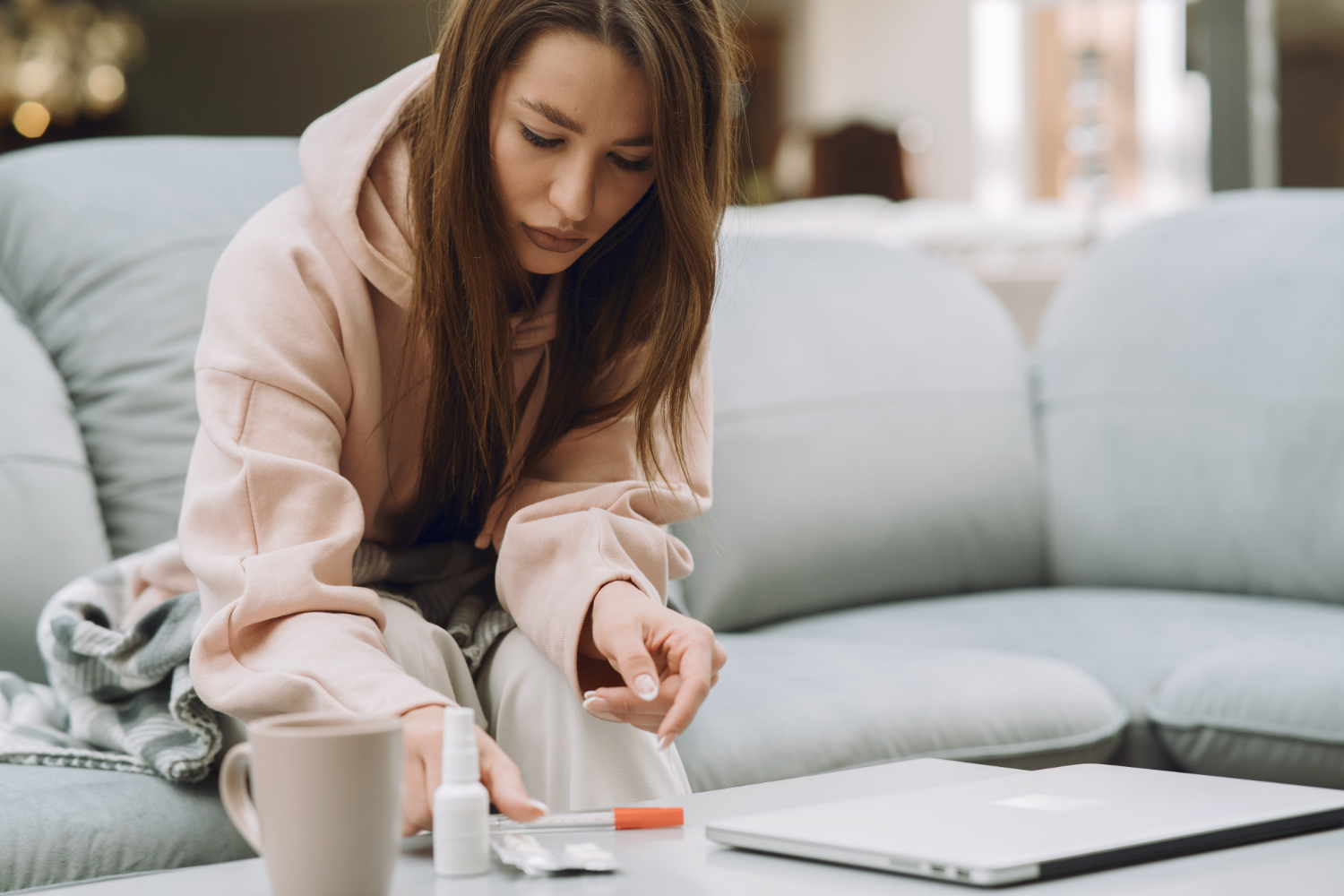
When an overdose happens, time matters. There is no perfect moment to react, no time to research, and no room for hesitation. What you do in the first few minutes can directly affect whether someone survives. Many people search for how to treat an overdose at home because they are trying to help someone in real time. Others are preparing, hoping they never need to use the information. Either way, one point needs to be clear from the start.
Treating an overdose at home does not mean replacing emergency care. It means recognizing what’s happening quickly, taking immediate action, and keeping the person stable until professional help arrives.
Recognizing the Signs of an Overdose
Overdose does not always look dramatic. In many cases, it can appear subtle at first.
For opioids such as oxycodone, heroin, or fentanyl, the most common signs include slowed or stopped breathing, extreme drowsiness, and inability to wake the person. The lips or fingertips may turn bluish in color, and the breathing may be irregular or shallow.
For alcohol or sedatives, the signs may include confusion, vomiting, slowed breathing, or unconsciousness. The signs for stimulants such as cocaine or methamphetamine may be different. The key is not to wait for all the signs to appear. If you think something is wrong, it is better to take action early.
Step One: Call Emergency Services Immediately
The first and most essential thing is to call emergency services. Even if you’re not sure whether it is really an overdose, it is always best to consult medical professionals. Delaying this process is one of the most common, yet most dangerous, mistakes. There are individuals who hesitate to call emergency services because of possible consequences, or because they think that they can manage the situation. However, overdose can progress quickly, and help may be needed at any time.
Calling emergency services doesn’t mean you’re giving up control of the situation. It simply means you’re giving your friend the best possible chance to recover safely.
Step Two: Check Responsiveness and Breathing
When waiting for help to arrive, you have to check your friend’s condition. Try to wake your friend by loudly calling their name or by firmly rubbing your knuckles against their sternum. If your friend doesn’t wake up, you have to check their breathing.
Normal breathing is characterized by a steady, regular rhythm. Abnormally slow, irregular, or absent breathing is a sign of a serious medical emergency.
If your friend is not breathing, you may have to start rescue breathing. Rescue breathing is critical to help your friend survive.
Step Three: Administer Naloxone if Available
Naloxone is a medication used to reverse opioid overdoses by attaching to opioid receptors in the brain, helping restore normal breathing. It is available in many communities as a nasal spray or injectable and is commonly carried by first responders, medical professionals, and increasingly by families.
If you have naloxone, use it as directed and repeat the dose if the person does not respond after a few minutes. However, naloxone is not a complete solution. Its effects can wear off, causing the overdose to return, so medical care is still essential even if the person wakes up.
Step Four: Position the Person Safely
If the person is unconscious but still breathing, you should place them in the recovery position. To do this, you need to turn the person to their side and tilt their head slightly downward. This ensures that the airway is clear and that the person does not choke if they vomit.
You should never place an unconscious person on their back. This increases the chances that they will choke.
Step Five: Stay Present and Monitor
The situation may change in an instant. Although the individual may begin to wake up, they may still be in danger. This is especially true if their breathing slows down as naloxone’s effects begin to wear off. Your role is to stay with them, keep them awake if possible, and monitor their situation. If their situation worsens, you may need to take action again.
Your most important role in this situation is to be consistent. Being present is key.
What Not to Do During an Overdose
In stressful situations, people sometimes rely on outdated or ineffective methods. Trying to force the person to drink water, putting them in a cold shower, or attempting to “wake them up” through physical agitation does not reverse an overdose and can make the situation worse.
The focus should always remain on breathing, positioning, and getting professional help involved as quickly as possible.
Why Overdose Happens in the First Place
Understanding overdose risk can help prevent future incidents. Tolerance plays a major role. If someone stops using a substance for a period of time and then returns to the same dose, their body may no longer be able to handle it. Mixing substances also increases risk. Combining opioids with alcohol or benzodiazepines significantly raises the chance of respiratory suppression.
Inconsistent drug potency, especially with illicit substances, adds another layer of unpredictability. These factors are why overdose can happen even to individuals who believe they understand their limits.
What Happens After an Overdose
Once the immediate crisis is over, there is often a moment of relief. But medically and clinically, this is a critical turning point. An overdose is not just an isolated event. It is a signal that the body has reached a level of risk that cannot be ignored. Without intervention, the likelihood of recurrence remains high.
This is where the focus shifts from emergency response to stabilization and recovery.
The Role of Medical Detox After an Overdose
After an overdose, the body is weakened, and stopping substances without support can cause severe withdrawal symptoms that may lead to relapse. Professional Medical Detox helps manage this process safely while the body clears the substances., where a patient is given a chance to detoxify from substances in a private setting, depending on the condition of the patient. This should be done by evaluating the patient individually, considering whether it is safe for a patient to detoxify from substances at home.